


Collections
Chinese Antiquities
Responsible for the most wide-ranging in scope of the museum's collections, the Chinese Antiquities Section has in its custodianship over 4,000 objects in a wonderfully diverse range of media. With exhibits dating from the Neolithic period to the 20th century, the catalogue comprises ceramics - both Chinese, in particular from Guangdong and for export, and Southeast Asian ceramics - and otherLorem ipsum dolor sit amet, consectetur adipisicing elit, sed do eiusmod tempor incididunt ut labore et dolore magna aliqua. Ut enim ad minim veniam, quis nostrud exercitation ullamco laboris nisi ut aliquip ex ea commodo consequat. Duis aute irure dolor in reprehenderit in voluptate velit esse cillum dolore eu fugiat nulla pariatur. Excepteur sint occaecat cupidatat non proident, sunt in culpa qui officia deserunt mollit anim id est laborum.
Read more Hide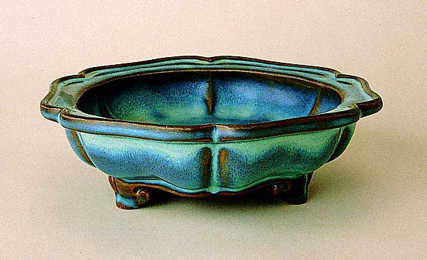
Small Bridge House Painting
Wu Guan Zhong
Small Bridge House Painting
Wu Guan Zhong
Small Bridge House Painting
Wu Guan Zhong
Small Bridge House Painting
Wu Guan Zhong
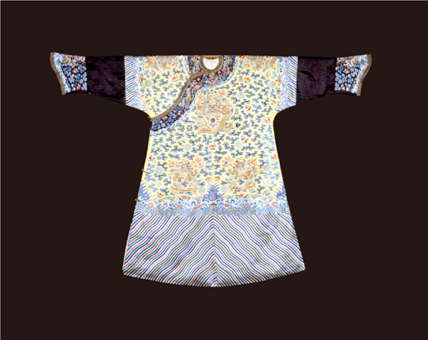
Small Bridge House Painting
Wu Guan Zhong
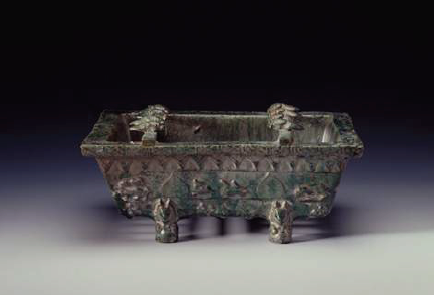
Small Bridge House Painting
Wu Guan Zhong
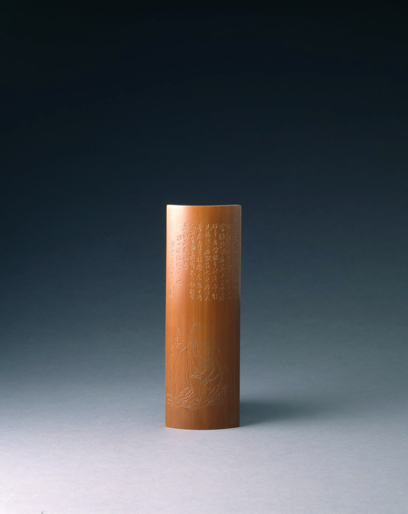
Small Bridge House Painting
Wu Guan Zhong
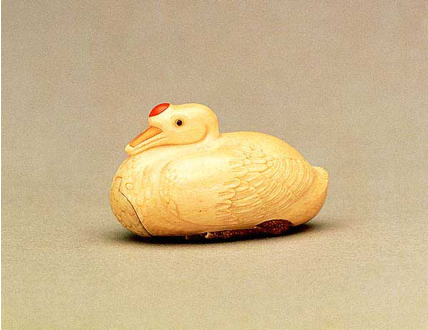
Small Bridge House Painting
Wu Guan Zhong
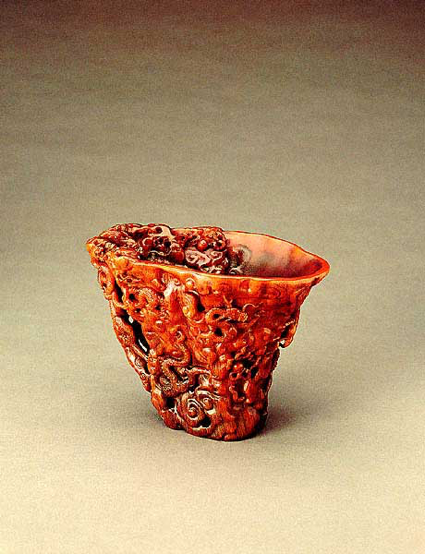
Small Bridge House Painting
Wu Guan Zhong
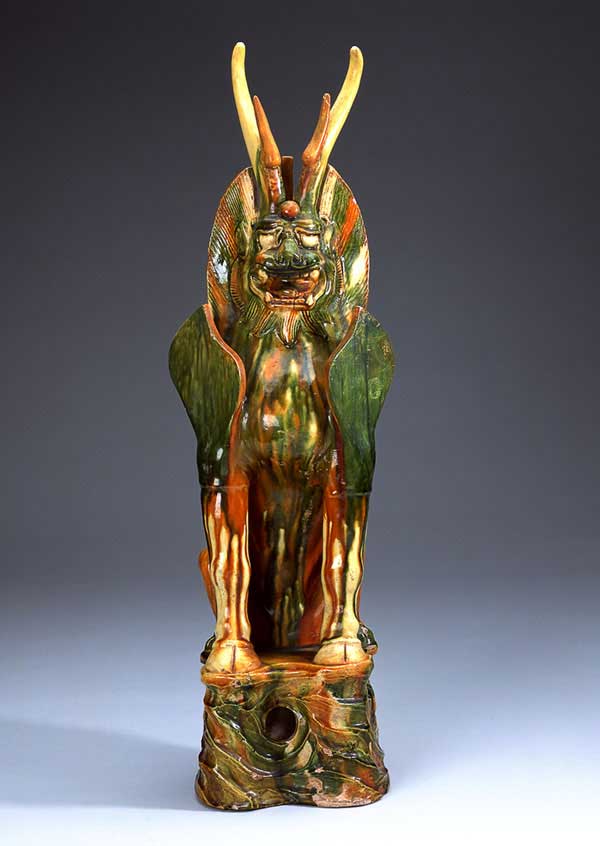
Small Bridge House Painting
Wu Guan Zhong
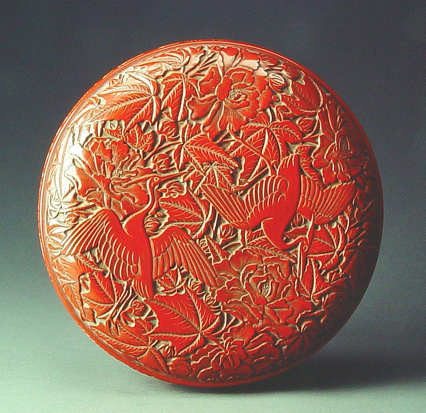
Small Bridge House Painting
Wu Guan Zhong
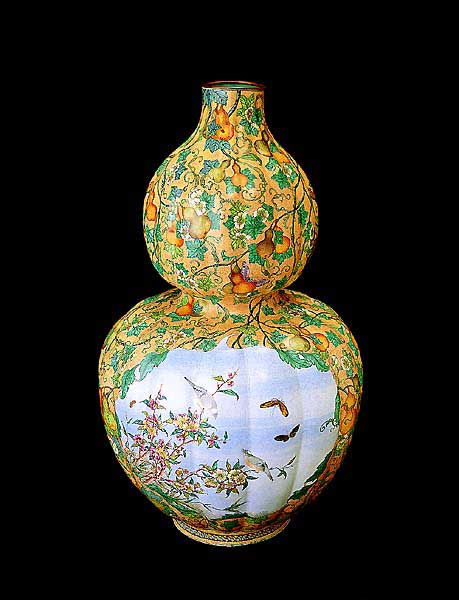
Small Bridge House Painting
Wu Guan Zhong
-
Wooden Figure of Guanyin Painted with Polychrome Pigments 1
-
Date
Song - Yuan dynasty (12th-13th century)
-
Dimensions
152(H) x 96(W)cm
-
Donor
Dr Tsui Tsin-tong
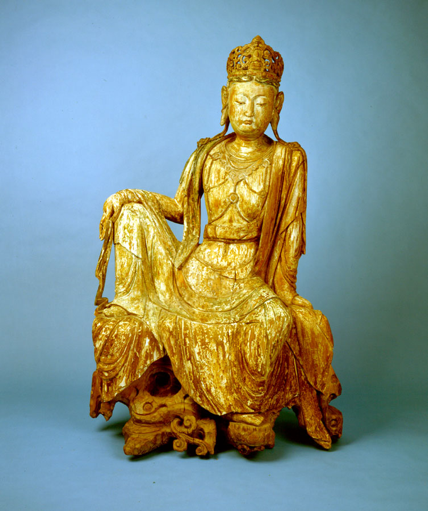
Guanyin, the Chinese god of mercy, was initially represented as a male figure, but from the Tang dynasty onwards there was a tendency to emphasise the deity's feminine nature. The wooden figure of this Guanyin has a gentle expression and a slender body characteristic of the style prevalent in the Song, Jin and Yuan dynasties. Seated on a rocky base covered in lingzhi fungus with the right knee bent and the left foot lowered onto a lotus-pad footrest, he wears an openwork crown featuring a seated Buddha, while his eyes gaze serenely at the reflection of the moon in the water, symbolising the unreality of all phenomena. Similar figures were worshipped in the temples of Shanxi and Hebei provinces. Traces of colour pigment can still be found on the body of this figure.
-
-
Wooden Figure of Guanyin Painted with Polychrome Pigments 2
-
Date
Song - Yuan dynasty (12th-13th century)
-
Dimensions
152(H) x 96(W)cm
-
Donor
Dr Tsui Tsin-tong
Guanyin, the Chinese god of mercy, was initially represented as a male figure, but from the Tang dynasty onwards there was a tendency to emphasise the deity's feminine nature. The wooden figure of this Guanyin has a gentle expression and a slender body characteristic of the style prevalent in the Song, Jin and Yuan dynasties. Seated on a rocky base covered in lingzhi fungus with the right knee bent and the left foot lowered onto a lotus-pad footrest, he wears an openwork crown featuring a seated Buddha, while his eyes gaze serenely at the reflection of the moon in the water, symbolising the unreality of all phenomena. Similar figures were worshipped in the temples of Shanxi and Hebei provinces. Traces of colour pigment can still be found on the body of this figure.
-
-
Wooden Figure of Guanyin Painted with Polychrome Pigments 3
-
Date
Song - Yuan dynasty (12th-13th century)
-
Dimensions
152(H) x 96(W)cm
-
Donor
Dr Tsui Tsin-tong
Guanyin, the Chinese god of mercy, was initially represented as a male figure, but from the Tang dynasty onwards there was a tendency to emphasise the deity's feminine nature. The wooden figure of this Guanyin has a gentle expression and a slender body characteristic of the style prevalent in the Song, Jin and Yuan dynasties. Seated on a rocky base covered in lingzhi fungus with the right knee bent and the left foot lowered onto a lotus-pad footrest, he wears an openwork crown featuring a seated Buddha, while his eyes gaze serenely at the reflection of the moon in the water, symbolising the unreality of all phenomena. Similar figures were worshipped in the temples of Shanxi and Hebei provinces. Traces of colour pigment can still be found on the body of this figure.
-
-
Wooden Figure of Guanyin Painted with Polychrome Pigments 4
-
Date
Song - Yuan dynasty (12th-13th century)
-
Dimensions
152(H) x 96(W)cm
-
Donor
Dr Tsui Tsin-tong
Guanyin, the Chinese god of mercy, was initially represented as a male figure, but from the Tang dynasty onwards there was a tendency to emphasise the deity's feminine nature. The wooden figure of this Guanyin has a gentle expression and a slender body characteristic of the style prevalent in the Song, Jin and Yuan dynasties. Seated on a rocky base covered in lingzhi fungus with the right knee bent and the left foot lowered onto a lotus-pad footrest, he wears an openwork crown featuring a seated Buddha, while his eyes gaze serenely at the reflection of the moon in the water, symbolising the unreality of all phenomena. Similar figures were worshipped in the temples of Shanxi and Hebei provinces. Traces of colour pigment can still be found on the body of this figure.
-
-
Wooden Figure of Guanyin Painted with Polychrome Pigments 5
-
Date
Song - Yuan dynasty (12th-13th century)
-
Dimensions
152(H) x 96(W)cm
-
Donor
Dr Tsui Tsin-tong
Guanyin, the Chinese god of mercy, was initially represented as a male figure, but from the Tang dynasty onwards there was a tendency to emphasise the deity's feminine nature. The wooden figure of this Guanyin has a gentle expression and a slender body characteristic of the style prevalent in the Song, Jin and Yuan dynasties. Seated on a rocky base covered in lingzhi fungus with the right knee bent and the left foot lowered onto a lotus-pad footrest, he wears an openwork crown featuring a seated Buddha, while his eyes gaze serenely at the reflection of the moon in the water, symbolising the unreality of all phenomena. Similar figures were worshipped in the temples of Shanxi and Hebei provinces. Traces of colour pigment can still be found on the body of this figure.
-
-
Wooden Figure of Guanyin Painted with Polychrome Pigments 6
-
Date
Song - Yuan dynasty (12th-13th century)
-
Dimensions
152(H) x 96(W)cm
-
Donor
Dr Tsui Tsin-tong
Guanyin, the Chinese god of mercy, was initially represented as a male figure, but from the Tang dynasty onwards there was a tendency to emphasise the deity's feminine nature. The wooden figure of this Guanyin has a gentle expression and a slender body characteristic of the style prevalent in the Song, Jin and Yuan dynasties. Seated on a rocky base covered in lingzhi fungus with the right knee bent and the left foot lowered onto a lotus-pad footrest, he wears an openwork crown featuring a seated Buddha, while his eyes gaze serenely at the reflection of the moon in the water, symbolising the unreality of all phenomena. Similar figures were worshipped in the temples of Shanxi and Hebei provinces. Traces of colour pigment can still be found on the body of this figure.
-
-
Wooden Figure of Guanyin Painted with Polychrome Pigments 7
-
Date
Song - Yuan dynasty (12th-13th century)
-
Dimensions
152(H) x 96(W)cm
-
Donor
Dr Tsui Tsin-tong
Guanyin, the Chinese god of mercy, was initially represented as a male figure, but from the Tang dynasty onwards there was a tendency to emphasise the deity's feminine nature. The wooden figure of this Guanyin has a gentle expression and a slender body characteristic of the style prevalent in the Song, Jin and Yuan dynasties. Seated on a rocky base covered in lingzhi fungus with the right knee bent and the left foot lowered onto a lotus-pad footrest, he wears an openwork crown featuring a seated Buddha, while his eyes gaze serenely at the reflection of the moon in the water, symbolising the unreality of all phenomena. Similar figures were worshipped in the temples of Shanxi and Hebei provinces. Traces of colour pigment can still be found on the body of this figure.
-
-
Wooden Figure of Guanyin Painted with Polychrome Pigments 8
-
Date
Song - Yuan dynasty (12th-13th century)
-
Dimensions
152(H) x 96(W)cm
-
Donor
Dr Tsui Tsin-tong
Guanyin, the Chinese god of mercy, was initially represented as a male figure, but from the Tang dynasty onwards there was a tendency to emphasise the deity's feminine nature. The wooden figure of this Guanyin has a gentle expression and a slender body characteristic of the style prevalent in the Song, Jin and Yuan dynasties. Seated on a rocky base covered in lingzhi fungus with the right knee bent and the left foot lowered onto a lotus-pad footrest, he wears an openwork crown featuring a seated Buddha, while his eyes gaze serenely at the reflection of the moon in the water, symbolising the unreality of all phenomena. Similar figures were worshipped in the temples of Shanxi and Hebei provinces. Traces of colour pigment can still be found on the body of this figure.
-
-
Wooden Figure of Guanyin Painted with Polychrome Pigments 9
-
Date
Song - Yuan dynasty (12th-13th century)
-
Dimensions
152(H) x 96(W)cm
-
Donor
Dr Tsui Tsin-tong
Guanyin, the Chinese god of mercy, was initially represented as a male figure, but from the Tang dynasty onwards there was a tendency to emphasise the deity's feminine nature. The wooden figure of this Guanyin has a gentle expression and a slender body characteristic of the style prevalent in the Song, Jin and Yuan dynasties. Seated on a rocky base covered in lingzhi fungus with the right knee bent and the left foot lowered onto a lotus-pad footrest, he wears an openwork crown featuring a seated Buddha, while his eyes gaze serenely at the reflection of the moon in the water, symbolising the unreality of all phenomena. Similar figures were worshipped in the temples of Shanxi and Hebei provinces. Traces of colour pigment can still be found on the body of this figure.
-
-
Wooden Figure of Guanyin Painted with Polychrome Pigments 10
-
Date
Song - Yuan dynasty (12th-13th century)
-
Dimensions
152(H) x 96(W)cm
-
Donor
Dr Tsui Tsin-tong
Guanyin, the Chinese god of mercy, was initially represented as a male figure, but from the Tang dynasty onwards there was a tendency to emphasise the deity's feminine nature. The wooden figure of this Guanyin has a gentle expression and a slender body characteristic of the style prevalent in the Song, Jin and Yuan dynasties. Seated on a rocky base covered in lingzhi fungus with the right knee bent and the left foot lowered onto a lotus-pad footrest, he wears an openwork crown featuring a seated Buddha, while his eyes gaze serenely at the reflection of the moon in the water, symbolising the unreality of all phenomena. Similar figures were worshipped in the temples of Shanxi and Hebei provinces. Traces of colour pigment can still be found on the body of this figure.
-
-
Wooden Figure of Guanyin Painted with Polychrome Pigments 11
-
Date
Song - Yuan dynasty (12th-13th century)
-
Dimensions
152(H) x 96(W)cm
-
Donor
Dr Tsui Tsin-tong
Guanyin, the Chinese god of mercy, was initially represented as a male figure, but from the Tang dynasty onwards there was a tendency to emphasise the deity's feminine nature. The wooden figure of this Guanyin has a gentle expression and a slender body characteristic of the style prevalent in the Song, Jin and Yuan dynasties. Seated on a rocky base covered in lingzhi fungus with the right knee bent and the left foot lowered onto a lotus-pad footrest, he wears an openwork crown featuring a seated Buddha, while his eyes gaze serenely at the reflection of the moon in the water, symbolising the unreality of all phenomena. Similar figures were worshipped in the temples of Shanxi and Hebei provinces. Traces of colour pigment can still be found on the body of this figure.
-
-
Wooden Figure of Guanyin Painted with Polychrome Pigments 12
-
Date
Song - Yuan dynasty (12th-13th century)
-
Dimensions
152(H) x 96(W)cm
-
Donor
Dr Tsui Tsin-tong
Guanyin, the Chinese god of mercy, was initially represented as a male figure, but from the Tang dynasty onwards there was a tendency to emphasise the deity's feminine nature. The wooden figure of this Guanyin has a gentle expression and a slender body characteristic of the style prevalent in the Song, Jin and Yuan dynasties. Seated on a rocky base covered in lingzhi fungus with the right knee bent and the left foot lowered onto a lotus-pad footrest, he wears an openwork crown featuring a seated Buddha, while his eyes gaze serenely at the reflection of the moon in the water, symbolising the unreality of all phenomena. Similar figures were worshipped in the temples of Shanxi and Hebei provinces. Traces of colour pigment can still be found on the body of this figure.
-
Wooden Figure of Guanyin Painted with Polychrome Pigments
-
Date
Song - Yuan dynasty (12th-13th century)
-
Dimensions
152(H) x 96(W)cm
-
Donor
Dr Tsui Tsin-tong
Guanyin, the Chinese god of mercy, was initially represented as a male figure, but from the Tang dynasty onwards there was a tendency to emphasise the deity's feminine nature. The wooden figure of this Guanyin has a gentle expression and a slender body characteristic of the style prevalent in the Song, Jin and Yuan dynasties. Seated on a rocky base covered in lingzhi fungus with the right knee bent and the left foot lowered onto a lotus-pad footrest, he wears an openwork crown featuring a seated Buddha, while his eyes gaze serenely at the reflection of the moon in the water, symbolising the unreality of all phenomena. Similar figures were worshipped in the temples of Shanxi and Hebei provinces. Traces of colour pigment can still be found on the body of this figure.